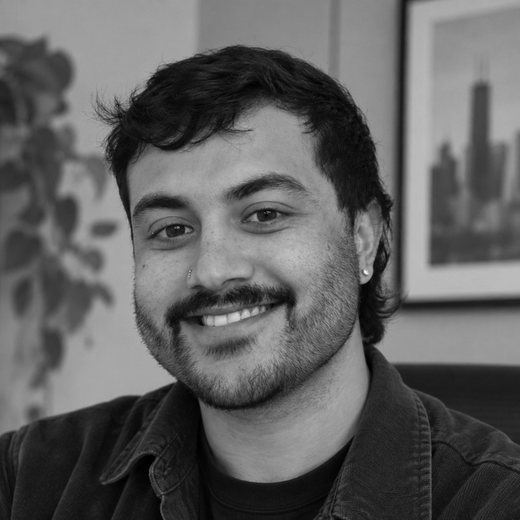
Product leader · hands-on builder · Chicago · Open to relocation
I turn new AI capabilities into products that hospitals and other cautious institutions will deploy
- calls on an average workday
- 300,000+
- health systems using it
- 250+
- since I left, still running
- 9 years
Doximity Dialer, which I originated as founding product lead. Doximity’s own figures, February 2026.
I work on the systems around a capable model: tool discovery, permissions, and action verification. I also work out how errors are contained and who is notified. Hospitals, banks and regulated companies need those controls before they let software act on its own. See where I’d fit →
Organizations I’ve worked with







Selected engineering work
Agent authorization, reproducible change tracking, and browser graphics. Inspect the implementation and the checks behind each project.
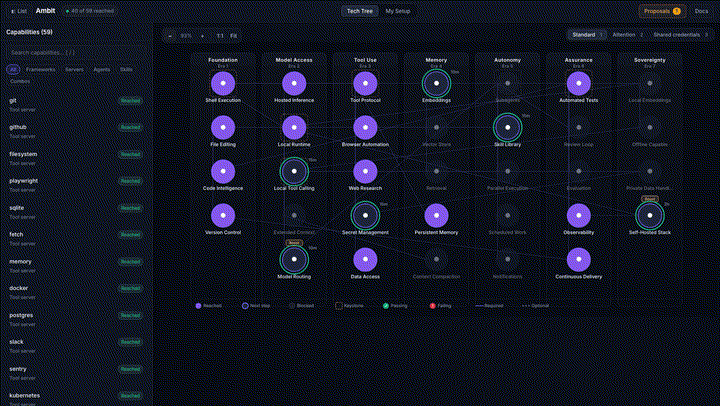
The gate checks actions when a runtime calls it. The downstream environment is simulated; Ambit does not compel other runtimes to use the gate.
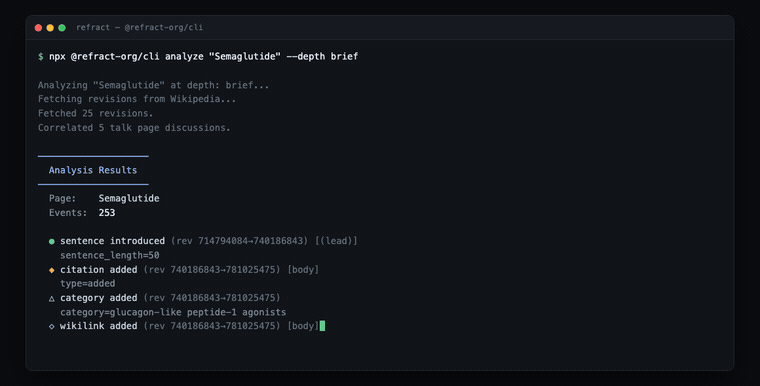
Reproducing the event stream checks consistency. It does not establish medical truth, forecasting accuracy, or independent adoption.
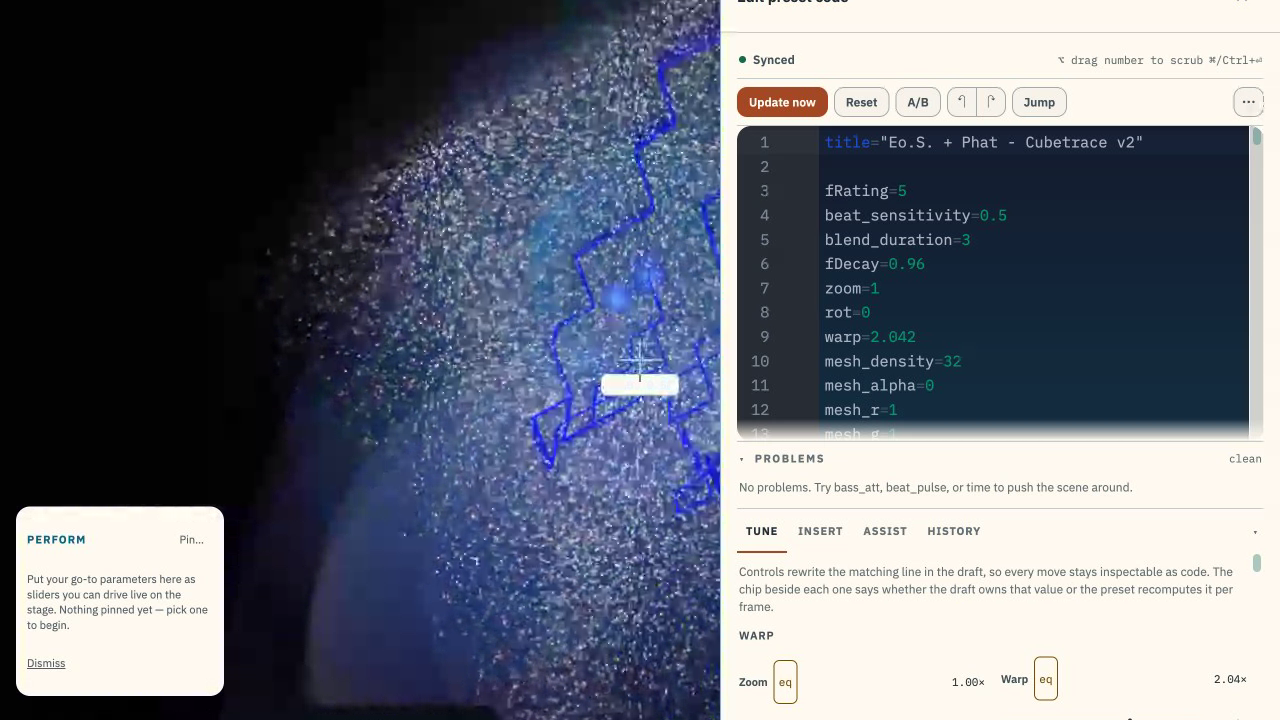
A preset that compiles is not necessarily a visual match to projectM. Measured results apply to the presets and reference captures tested.
- Fast Harm, Slow Repair Agent error evaluation: a draft benchmark protocol for measuring how far AI mistakes propagate through tools and what remains wrong after correction. No results yet.
Where I come in
I come in before there’s a roadmap, build an unproven idea far enough to see whether it holds, and then decide what to scale, what to cut, and who should own it.
I originated Doximity Dialer, led R&D at CancerCompass, and co-founded Andwise. Andwise validated strong physician demand in year one, but the fundable paths in year two conflicted with serving physicians directly. In 2024, I chose to wind down the company rather than compromise that fiduciary alignment. Since then I have focused on hands-on systems building, validating new AI capabilities in working software before scaling them through teams.
Selected work
Decided by approval
The patient sees the office, not the cell phone
A physician calling a patient had two bad options: the hospital desk phone, or a personal cell that showed “Unknown Caller” and gave the number away for good. As founding product lead, I originated the identity layer that let the call come from their own phone while the patient saw the office number — so it got answered, and the cell stayed private.
Read case study → Decided by accountability
Four specialty programs on one routing architecture
High-acuity cases across Surgery, Oncology, and Behavioral Health were stalling in exception queues, and the default was a separate product for each of four programs. I put all four, Everyday Urgent Care included, on one routing architecture tied to clinical accountability, so a nurse and a navigator worked from the same facts and every case had an owner. It took longer to build than four products would have, and all four launched on it.
Read case study → Decided by who pays
Reading the contract before the physician signed it
Early-career physicians were signing employment contracts with no unbiased read of what was in them. Andwise’s software read the contract, flagged the clauses worth arguing about, and gave no advice. A named reviewer checked every analysis, on a deadline, before the physician acted.
Read case study →